


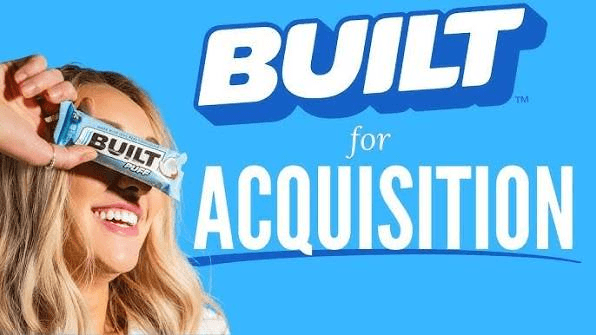
If you’re a fan of Built Bar or you track trends in the food industry, you’ve probably noticed some big changes lately. Maybe you’ve been frustrated searching for the original Built Bars online, only to find they’re either missing or “out of stock.” Or maybe you saw social media chatter speculating that the company is shutting down entirely.
Pause for a breath here. Is Built Bar going out of business? The answer is clear: Built Brands, the company behind Built Bar, is Not shutting down. However, its original protein bars have indeed been discontinued, and management is considering a sale valued at $1 billion. Let’s break down the facts, the history, and what comes next—using examples and simple steps you can apply if you’re a customer or running your own products-based business.
Current Status: Built Brands Is Up and Running
Built Brands continues full operations from American Fork, Utah, where it manufactures protein snacks in its own facility. There’s no secret here—production continues, and the business remains active. In the first quarter of 2025, news outlets reported that Built’s owner is considering a sale and has hired the investment bank Houlihan Lokey to coordinate the process.
Industry estimates peg the sale’s potential value at more than $1 billion. That number alone sets expectations: Big outside investors do not line up to buy failing companies. Instead, they chase growing brands with a solid future. An exit like this suggests management is looking for new ownership or leadership, *not* liquidation or a quiet closure.
Take action if you’re a business owner: If you ever consider selling your company, remember that a strong valuation comes from sustainable operations and a loyal customer base, not from simply being the flavor of the month.
The Shift: Built Discontinues Original Protein Bars and Shifts to Puffs
One of the sharpest changes over the past year has been the discontinuation of the original Built Bar line. Maybe you’re one of the loyalists who remembers ordering boxes directly from Built’s website or picking up bars at a retailer.
Here’s what happened: Multiple product reviewers, consumer forums, and even former Built fans have verified that the brand discontinued its classic bars in 2026, narrowing its focus to the marshmallow-based Built Puffs. A quick glance at Built’s own social channels backs this up—there’s no mention of standard bars, only Puffs and newer products.
Industry writers and Reddit users alike highlight that the original bars were getting hard to find through 2025 and are now “next to impossible” to purchase. If you search for “what happened to Built Bar?” you’ll find a steady stream of posts confirming the company’s direction shift.
Here’s your business takeaway: If you need to change your core product, keep your audience informed. Make the pivot visible, explain your reasoning, and offer alternatives to keep loyal customers in your corner.
The Product Shortage Problem: Why Are Built Products So Hard to Find?
A fair question: If Built isn’t out of business, why did its products seem to disappear from shelves? The answer illustrates a common challenge for growing companies—managing supply and demand as they scale.
For well over a year, both Built Bars (before their discontinuation) and Built Puffs have suffered from stock shortages. Some of this comes from surges in demand, especially after Built expanded its distribution to massive retailers like Amazon and Walmart.
High demand sounds like a good thing. But if supply chain constraints hit—whether from ingredient shortages, labor hiccups, or shipping delays—products can quickly go out of stock. Multiple analyses said, “Built Bars are not discontinued; temporary outages are due to high demand and supply constraints.” That was true until the discontinuation; now, the spotty availability shifts to Puffs.
Be prepared for this in your own business. If your “out-of-stock” banner starts to appear too often, clarify the reasons directly to your customers. Use email updates or banner notifications to set realistic expectations.
Looking Back: When Customers Thought Built Might Disappear (But Didn’t)
Built Brands has faced customer confusion before. Rewind to early 2020, and you’ll find a period when the company paused production and went silent on social media. Some worried these signs pointed to a true shutdown. In a world where online forums amplify every worry, uncertainty can snowball.
The reality turned out differently. By August 2020, Built launched a relaunch campaign, opened a new manufacturing facility, and brought back its original formulation—at the time, fueling another wave of growth. The lesson here is practical: Temporary pauses don’t always forecast doom. Sometimes they are a strategic reset.
If you manage a growing company, remember this principle: When you must hit pause, communicate. The rumor mill works overtime when you leave your story blank. Control your narrative—customers will thank you.
What’s Next? Evaluating Built’s Prospects and Risks
What does the future hold for Built Brands? The evidence favors a positive outlook, albeit with some risks you can’t afford to ignore.
Here’s why:
– Built owns its Utah manufacturing facility, giving it more control over operations than brands that outsource production. That reduces costs and improves quality oversight.
– The current sales process pegs Built’s market value at over $1 billion, a signal that investors see growth potential rather than looming closure.
– Recent coverage suggests that ownership may change hands, but there are no indications of a full shutdown, widespread layoffs, or liquidation.
That being said, there are still questions. When companies shift away from flagship products, some long-term fans may leave. Maintaining momentum depends on Built’s ability to innovate, market successfully, and execute a smooth transition under new ownership (if a sale happens).
Take time now, if you work in production or marketing, to assess your product’s lifecycle. Is it time to sunset a slow-moving product? Create a weekly cash-flow snapshot and review it every Friday so you can spot shortfalls early. Use facts, not feelings, to inform your hard calls.
How Customers Are Affected (And What to Do Next)
So, where does all of this leave you—the Built fan, retailer, or casual shopper?
If you’re searching for the old-school original Built Bars, your options are running out. Product reviews from 2026, company statements, and nearly every customer forum confirm discontinuation. Unless you find rare leftovers in a clearance bin, you’re unlikely to see them on shelves again.
If you like the Built Puff products, you’re in better shape. Built is still making and selling these in various flavors, though you’ll want to keep an eye out for intermittent stock issues in larger online and retail stores. For business owners, this is a crucial moment: When your hero product is retired, how do you migrate loyalty to your new lineup? Consider sending loyal customers special offers or “thank you” messaging to ease the switch.
If you’re exploring new brands, take a disciplined approach. Sample a few alternatives, check ingredients and nutrition labels, and track your spend so you avoid waste. As the old saying goes, “Don’t put all your eggs in one basket.” A diversified snack shelf gives you options if another product quietly disappears.
Lessons for Owners, Operators, and Fans: Practical Action Steps
This isn’t just a story about one protein bar company. If you run a growing SMB, are launching a new product line, or manage operations in a food business, take the lessons from Built and apply them:
– Communicate Early and Often: Rumors fill a vacuum. Even during a strategic pause or product phaseout, keep customers informed.
– Diversify Supply and Sales Channels: Rapid growth can crush supply chains not built for scale. Secure redundancy in suppliers and logistics.
– Track Product Lifecycles: Don’t tie your brand to a single product forever. Assess when to innovate or sunset as customer tastes shift.
– Protect Your Customer Base: When pivoting, reward loyalty and gather feedback on new offers to keep core fans engaged.
– Prepare for Ownership Changes: If a sale is possible, document your processes, clean up financials, and clarify roles—doing so raises your exit value.
Another key move: Build a steady operating rhythm. Pick key metrics that influence daily decision-making—inventory turnover, customer reviews, week-over-week sales. Set aside 30 minutes each Friday to review them with your team and act on anything trending in the wrong direction.
Where To Watch for Updates and More Resources
Built Brands’ story is still developing. Will a new owner acquire it? Will the portfolio expand or contract further? Nobody has a crystal ball, but you can track industry moves through newswires, Built’s own website, and specialty business news. For more actionable business content or updates about growing companies, check this guide to discover practical tips, strategy frameworks, and case studies across the consumer product sector.
Final Take: Strong Business, Changing Products, Uncertain Fans
Let’s recap. Built Brands is not going out of business. Yes, its original protein bars are gone, but the company continues to manufacture and sell Built Puffs and other products from its Utah facility. A major sale may soon bring new ownership, but the foundation is stable, not shaky.
If you miss the classic bars, start shopping for alternatives now. If you’re a business operator, learn from Built’s product shifts—communicate, innovate, and track your metrics. And if you’re considering selling your own company, remember: stability, operational control, and clear customer communication all drive value.
Keep an eye on supply, demand, and the business basics—those are the fundamentals nobody can afford to ignore.
Also Read This:
