


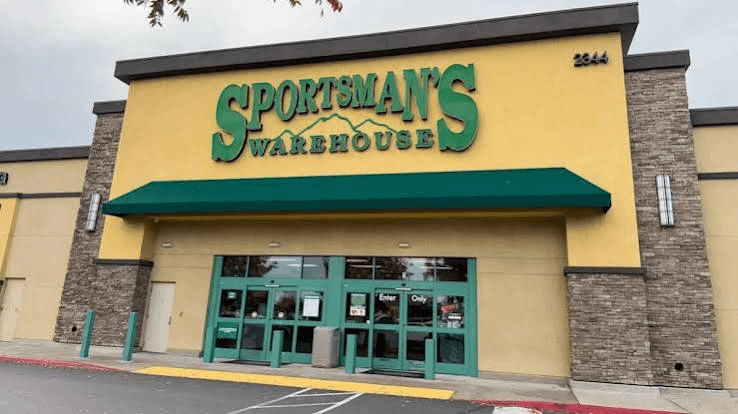
You may have heard rumors that Sportsman’s Warehouse, the popular outdoor sporting goods retailer, is about to shutter all its doors. It’s wise to question headlines and take active notice when a big chain makes changes, especially if you’re a small business owner or regularly shop there. Here’s a step-by-step breakdown of what’s actually happening behind the scenes at Sportsman’s Warehouse—and what you can learn from their current situation.
Current Business Status: Are Stores Closing Nationwide?
Start by looking at the facts. Sportsman’s Warehouse, currently trading on the NASDAQ under SPWH, is very much still open for business. The retail chain continues to operate locations across dozens of states, selling hunting, fishing, camping, and other gear to outdoor enthusiasts.
The company is not signaling a total shutdown, nor is it in the process of liquidating all inventory like brands that have gone bankrupt before. If you walk into most stores today, you’ll have the same experience you did a year ago—even if the company’s balance sheet is under more pressure.
That being said, Sportsman’s Warehouse is not standing still. Management admits margins are tight and has started a practical, albeit hard, reset to deal with today’s challenges.
Company Statements and Strategy: What Is Management Actually Saying?
Take the time to read past the headlines and look at what the company itself reports. In its latest annual filings and regular press updates, Sportsman’s Warehouse management gives several clear signals about direction and priorities:
– Roughly five underperforming stores are being targeted for closure after the 2026 holiday season.
– These stores are being picked after calculations showed they consistently lose money.
– Sportsman’s Warehouse will pause all new store openings in fiscal 2026, holding off expansion until financial health is restored.
This approach is not unusual when sales soften or costs rise. In fact, several large retailers cut back during pandemic-era uncertainty. Scaling back is one way to protect cash and buy time for a smarter, more disciplined reset.
Impairment Losses and Financial Figures: Reading Between the Numbers
Get your hands on clear numbers whenever you can. Sportsman’s Warehouse’s most recent annual report lists $17.8 million in impairment losses tied to ten struggling stores. For context, “impairment loss” means the company expects these store assets are worth less than they used to be and is writing down their value accordingly.
Out of those ten, approximately five are earmarked for closure. Together, those stores lost about $1.5 million (negative EBITDA), which gives more context on why the axe is falling there.
Management decided to halt all new store launches for at least the next fiscal year. This is a standard discipline when you need to put out small fires before they rage. You simply can’t afford to pour money into unproven locations if the current ones aren’t hitting targets.
Store Closures and Turnaround Effort: A Closer Look
Another key area to watch is store closures versus outright failure. The company is acting now to shed weight—think of it like a runner trimming shoes and gear for the next big race, not someone quitting the sport.
The immediate financial hit here comes from two directions. First, impairment and lease exit costs can temporarily dent cash flow. Second, closing stores means less potential revenue, even if those stores didn’t make money.
The upside is that taking this medicine early often buys time to regroup. This turnaround strategy is guided by active portfolio management. Instead of betting on hope, management is choosing to stop the bleed quickly and focus on right-sizing operations.
Analysis of Bankruptcy Risk: Is a Collapse Likely?
You can’t afford to ignore financial stress signals. Analysts who track retailer health have estimated Sportsman’s Warehouse faces about a 36% probability of bankruptcy in the near term—this is a mark of high risk, but it’s not certain doom.
Bankruptcy probability models weigh things like ongoing profitability, debt schedules, cash on hand, lease commitments, and recent impairment charges. What matters for store-level employees and local customers: a 36% chance is high enough that you should set contingency plans, but low enough that you’re not on the edge of a mass layoff or liquidations.
If you run your own business or manage a team, learn from this. Create a weekly cash-flow snapshot and review it every Friday so you can spot shortfalls early.
Impact of Past Merger/Buyout Rumors
For a while, you may have read headlines about Bass Pro Shops or Cabela’s acquiring Sportsman’s Warehouse. There was a real plan at one point—until it was called off in December 2021 after regulatory hurdles.
Management came forward at the time with a candid statement: they’d stay independent and publicly traded going forward. Any talk of a completed buyout is simply outdated. Sportsman’s Warehouse owns all of its own ongoing risk and reward today, for better or worse.
When evaluating a business’s stability, always check the latest filings and news, not just rumors or echo-chamber headlines.
Future Outlook: Possible Store Closures and Financial Moves
Be prepared to see more tough choices in the next year or two. Sportsman’s Warehouse might close more stores if they don’t return to profitability—or if consumer demand for outdoor gear keeps changing.
Management’s pause on new stores is smart discipline, but keeping existing stores healthy takes ongoing operational tweaks. You can expect them to monitor store-by-store profitability closely, move quickly on underperformance, and possibly renegotiate leases or supplier terms wherever possible.
For anyone who shops at Sportsman’s Warehouse or relies on them as a wholesale partner, keep an eye out for future financial updates and closure announcements. The business is taking a “turnaround” mindset, not closing down the company as a whole—but vigilance is key when financial risk ticks higher.
What Can You Learn From Sportsman’s Warehouse’s Situation?
If you run a retail store or oversee operations, there are concrete lessons you can extract here:
– Don’t be afraid to cut failing locations or products before they drag down your entire business.
– Pause major expansion if your core performance stumbles—never double down on a losing hand.
– Document every major closure or cost event, and project the impact on your cash flow at least two quarters out.
– Communicate honestly with your team. Hard choices are easier to act on if everyone understands why.
It’s also worth referencing business news sources like InBusiness Press to spot early trends or competitor moves in the sporting goods sector. Keeping your “information radar” on is a non-negotiable skill as markets shift.
Conclusion: Turnaround, Not Shutdown—Yet
So, is Sportsman’s Warehouse going out of business? No. They are closing a small group of underperforming stores, pausing expansion, and actively managing cash and inventory to stabilize for the future.
Their current mood is certainly cautious rather than bold, and there’s a meaningful bankruptcy risk that you can’t ignore. However, active management is engaged, stores are still open, and there’s a practical plan for a financial reset.
If you’re a customer, shop with confidence while keeping an eye on store-level communications. As a business owner, use their experience as a case study in honest financial review and the discipline to course-correct quickly.
If you’re betting on their long-term future, check quarterly numbers and listen to what’s said in earnings calls—not just rumor-mill headlines. The lesson here is simple: face tough facts, act promptly, and don’t let hope cloud your judgment. With these habits, you’ll always be in a stronger position, no matter what industry you’re in.
Also Read This:
