


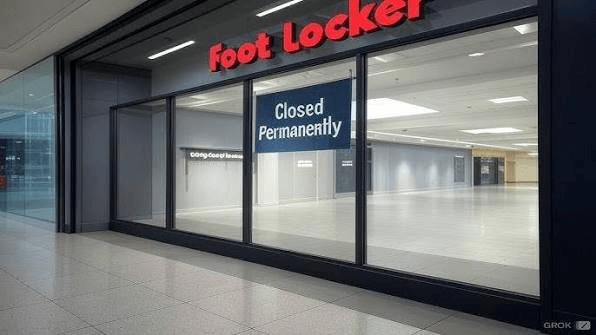
Foot Locker has been a go-to spot for millions of sneaker lovers and athletes for decades. In recent years, though, you may have heard chatter that the company is shutting its doors for good. Maybe you’ve seen empty storefronts at your local mall, or you’ve read headlines about “hundreds of stores closing.” It’s enough to make any customer—or business owner—wonder: is Foot Locker going out of business?
Let’s get organized and separate fact from fiction. If you own a retail store, manage operations, or just want to learn from a big retailer’s hard choices, there are timely lessons in Foot Locker’s story. The short answer is: Foot Locker is not going out of business entirely, but it is making big changes—and you can’t afford to ignore what those mean for the brand’s future.
The Truth Behind the Rumors
First things first: Foot Locker is not bankrupt, nor is it shutting down all its locations. The company is still very much in business. However, it’s in the middle of a significant transformation—a “reset” as management calls it—that involves closing some stores, opening new ones, and overhauling how and where it does business.
If you see headlines about hundreds of closures, be prepared to read the fine print. These closings are part of a long-term, measurable strategy to get the company back in step with today’s shoppers. The aim isn’t to disappear, but to retool.
Understanding Foot Locker’s New Strategy
Foot Locker’s leadership recognized that many of its mall-based stores were no longer as profitable as they used to be. Shopping habits have shifted, with more people buying sneakers online or turning to specialty retailers. Malls, in general, are not the foot traffic magnets they once were.
Take the time to review your own business’s high- and low-performing channels—Foot Locker did, and started a restructuring and brand reset. This isn’t just a cleanup; it’s a “refocusing,” moving resources to stronger locations and new store formats that are more in line with what today’s customers expect.
The company’s new strategy is built on three core actions:
1. Closing underperforming stores.
2. Opening a smaller number of new, “concept” stores.
3. Investing in a unique in-store experience alongside e-commerce capabilities.
You don’t have to reinvent the wheel, but you do need to check your alignment regularly.
Store Closures: The Numbers Matter
Let’s look at what’s actually happening. Foot Locker announced plans to close about 400 stores in North America by 2026. If you break it down, these are mostly underperforming mall locations—many suffering from lower sales or expensive leases. The move is meant to right-size their store footprint, improve financial performance, and free up resources for higher-performing stores.
For example, a store in a half-empty suburban mall may be more of a liability today than an asset. You can learn from this: take a hard look at which parts of your business generate consistent value, and which drag on your bottom line. Pruning a struggling asset isn’t failure—it’s smart stewardship.
That being said, this doesn’t mean the company is abandoning malls altogether. About 275 new “concept” stores are slated to open, focusing on locations with stable or growing demand. It’s a swap: out with the weakest, in with the most promising.
New Store Concepts: What’s Changing on the Ground
One of Foot Locker’s most publicized changes is the introduction of new store concepts. This is not just a facelift—it’s a shift in what the brand wants customers to experience.
Here’s what you can expect from these new stores:
– A more curated mix of footwear and apparel, emphasizing high-demand and exclusive releases.
– A store layout focused on discovery and community, not just selling product.
– Improved technology, including smarter inventory management and digital checkout features.
– Events and local partnerships to draw in younger shoppers and sneakerheads.
If you operate your own store, this is a good example of listening to your customers and experimenting with your retail model. Sometimes you need to test a smaller, more focused offering to find what really works. Keep an eye out for feedback, and be ready to iterate.
Factoring in the Dick’s Sporting Goods Acquisition
Here’s another key piece: in a move that surprised many, Dick’s Sporting Goods acquired Foot Locker for a reported $2.4 billion. Now, Dick’s is taking the reins on managing the turnaround effort. That means more oversight, improved supply chain practices, and a fresh take on merchandising.
For retailers and founders, this underscores the value of partnerships when facing industry headwinds. If a strong operator sees value in your business, it may be the bridge you need to reach a new phase. In Foot Locker’s case, Dick’s brings stable management, industry relationships, and capital to the table. When evaluating your own possible partners, don’t just look at the check—they should bring game-raising capabilities, too.
Expect Dick’s to focus on profitable growth, tighter inventory, and clearer merchandising strategies. Shared knowledge, greater buying power, and coordinated marketing will be front and center. For business leaders, it’s an example of “iron sharpening iron”—combined strength can beat short-term disruption.
Common Misconceptions: Closures vs. Going Out of Business
You’ll see many people equate “store closures” with “going out of business.” Don’t make that mistake. Foot Locker is closing locations, yes, but it is also investing heavily in the future. There’s no bankruptcy, no mass liquidation. Store closures can point to problems—or to healthy adaptation. In this case, it’s the latter.
Take the time to educate staff, customers, and stakeholders about what these changes really mean. When you move quickly to share facts, you maintain trust. Point to new investments as proof of the company’s future intent.
What to Watch For: The Next Chapter
So, what can you prepare for as Foot Locker moves through its turnaround? Here are practical points to consider:
– Expect more “destination” store formats—stores designed to offer unique product drops, events, and memorable service, rather than just shelf browsing.
– Watch for a shrinking overall footprint, but a stronger presence in areas with high demand. Quality over quantity now drives their approach.
– Inventory is being sharpened to match fast-moving trends and exclusive launches. If you’re in retail, keep agility in your supply chain—footwear trends can turn in a matter of weeks.
– Digital integration and store technology will get more attention, aiming to blend online convenience with in-person experience. Review your own checkout and order fulfillment options for friction points.
– Customer experience will stay in focus. With competition for “cool” at an all-time high, every in-store moment counts.
Combine old-school service (knowledgeable staff, trustworthy recommendations) with digital ease, and you build loyalty that outlasts trends. This is true for Foot Locker, and for anyone fighting to stay relevant as customer needs evolve.
For those keeping a close eye on store closures or possible local impacts, you can visit InBusinessPress for regularly updated lists and business analysis in your region.
Final Thoughts: What Foot Locker’s Moves Mean for You
Foot Locker’s story is about evolution, not extinction. Their choice to close stores doesn’t mean the brand is vanishing—it means leadership is willing to tackle tough decisions to keep moving forward. For business owners and professionals alike, there’s a lesson: don’t wait for declining performance to become a crisis. Make strategic pivots early and keep measuring success along the way.
Customers, meanwhile, can look forward to fresher, better-designed stores with a more thoughtful product selection. If you shop at Foot Locker, keep an eye out for announcements on new openings or reimagined spaces in your area.
Be prepared for new shopping experiences, local events, and smarter integration between web and in-store offerings. If you’re losing a local location, check online for nearby stores or expanded shipping options.
If you want specifics—such as a list of current or upcoming store closures, whether your local store is affected, or a detailed timeline of Foot Locker’s strategy—you can request these resources from their website or through trusted business reporting. Create a weekly cash-flow snapshot and review it every Friday, even if that’s just tracking your spending at your favorite retailer, so you can spot changes and respond with facts, not fear.
In business and in shopping, the only constant is change. Foot Locker isn’t closing up shop; it’s making moves to stay relevant and competitive. That’s a lesson worth remembering—whether you’re running your own business or simply planning your next sneaker pickup.
Also Read This:
